

My father was very sure about certain matters pertaining to the universe,” wrote Norman Maclean in A River Runs Through It, his novella about family and fishing and how we cast about in each in an attempt to find a way to define ourselves before we end up at redemption. “To him all good things—trout as well as eternal salvation—come by grace and grace comes by art and art does not come easy.”
Photographer Greg Gorman is such a master of his craft that he can make the art of it look easy—but finding the grace to define himself professionally and personally within his midwestern upbringing wasn’t quite so easy for him. That took a craftiness and guile, the hallmarks of any professional career carved out of the geography of hype that long ago formed Hollywood itself, that just didn’t come naturally to someone with his lanky likability. It is limned, that likability, with a deeper oft noted decency that doesn’t brook the brusque unkindness that can pass for power in show business but needlessly masks instead the neediness of the insecurity of those who think of themselves as the guardians of its gaudy order.
The key to Gorman’s own ordered art is, in fact, its lack of gaudiness even as it luxuriates not only in his knowledge of light—he got his Master of Fine Arts degree in cinematography at USC—but also light’s knowledge of him. He talks about his goal of creating “connected portraits” about these iconic ones editorially curated here in COLDWELLSM magazine. He meant the term as one that encompasses his subjects and himself. But I suspect it goes deeper than that. It is about how he and the light are connected as well.
There is a technical expertise that the most successful photographers pair with their visual instincts, but the greatest of them have a spiritual bond with light in which they have found, yes, a kind of redemption which in turn redeems their photography from “a [predatory] medium in which works of art are made,” according to Susan Sontag, displaying the joyless jut of her academic jaw in On Photography, into just that: a work of art. Helmut Newton, Gorman’s mentor and great friend with whom he shared duo-exhibitions (the anti-intellectual Helmut shared nothing in common with the brainy Sontag except a taste for women that they each found to be transgressive in themselves and each other) put it this way: “Practically any light, somehow or other, I can deal with… Any light that God sends me is different. This keeps me interested: ‘quick, quick, quick, something is happening!’”
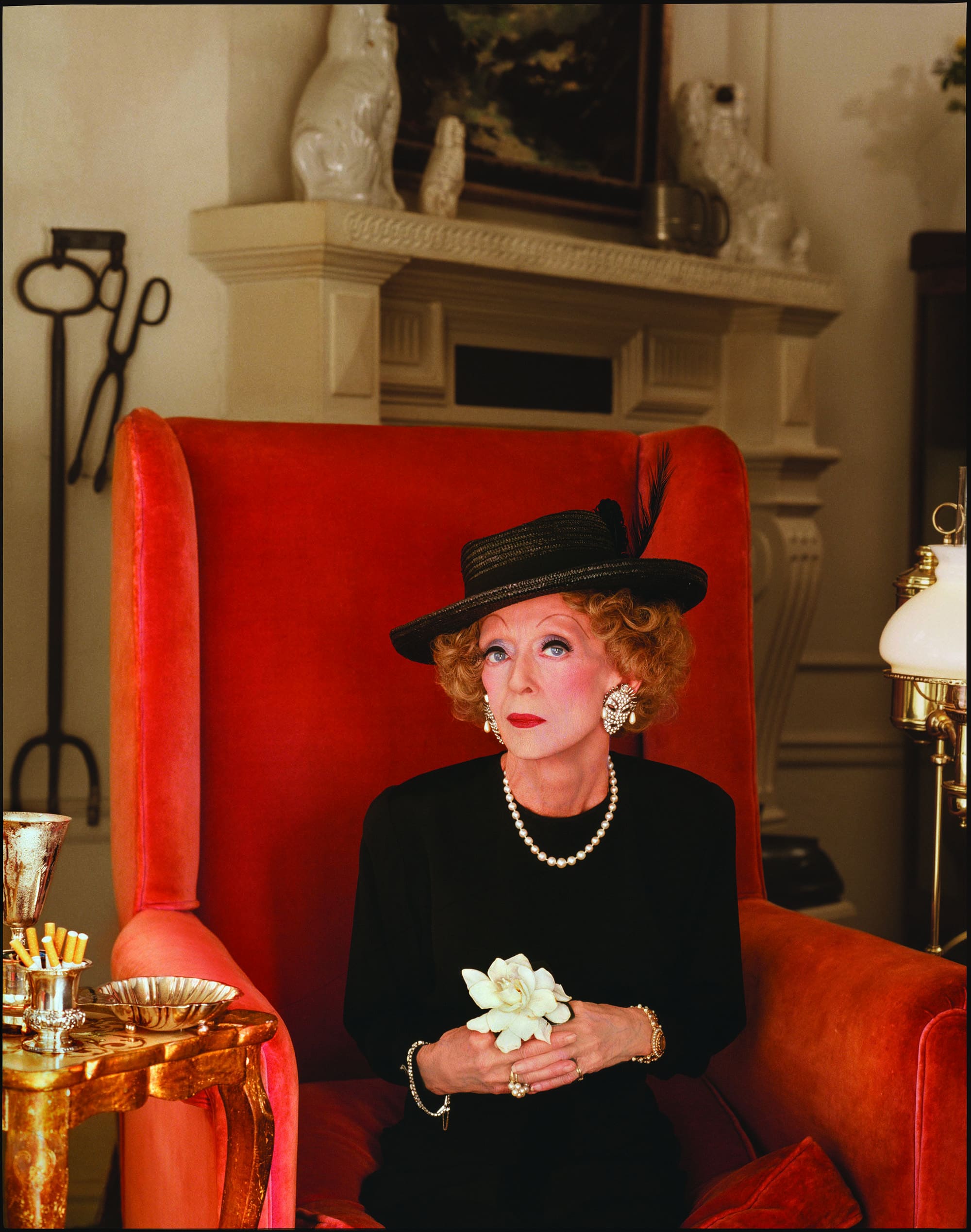
But it was a slow-slow-slow-something-ishappening moment Gorman remembers as the one in which he himself decided to become a photographer. “There was a buddy of mine I used to go huntin’n’fishin’ with back in Kansas where I grew up,” he says, always better at dropping his g’s than dropping names. “My buddy was a photography buff. I had third row center seats to see Jimi Hendrix in Kansas City, so I asked him if I could borrow his camera. I shot some pictures during the concert and went over to his house the next day. With his help, I started to develop the film in his dark room. I began seeing this picture gradually emerge on this white piece of paper and I went, ‘Wow... this is pretty amazing…’. I decided to enroll in photojournalism school at the University of Kansas since that’s all they offered then. I just loved that moment in that dark room. The pictures themselves were awful. I might have been too stoned when I was taking them. But it was that image coming out of nothing on that piece of white paper: that was the decisive moment.”
“It lit your creative spark,” I say. “It spoke to your longing to be a conjurer of some sort even if you couldn’t quite cope yet with the idea of being an artist.”
“Very much. I felt the magic of it,” Gorman agrees. “Then I went out to USC. Got my degree there. And stayed in LA,” he says. He spends much of his time now more than 50 years later—he’s 77—passing on his knowledge and experience by teaching students around the world eager to garner some of his wisdom not only as a photographer but also as a gentleman who managed to navigate Hollywood with his gentleness intact. “I didn’t end up being a cinematographer though because I am too much of a control freak,” he says, that regret, if it ever was one, no longer a narrative wrinkle to be faced after setting its story in such a place where narratives are sold for their wrinkles but faces lose their currency for having a few too many. “Directors will ultimately go for the best acting take over the best camera take,” he tells me. “And I wanted to make the better visual choice. I wanted that control.”
But there’s another way of looking at it, because there’s always another way (the photographer’s mantra) of looking at something, which is that Greg Gorman won’t let anyone assert control over him, not even himself. He insists to me that he enters a photo shoot with no prior judgment about a subject. It is as if he were the white piece of paper through which the image will emerge once it is discovered in the real-time juncture of a photo shoot.
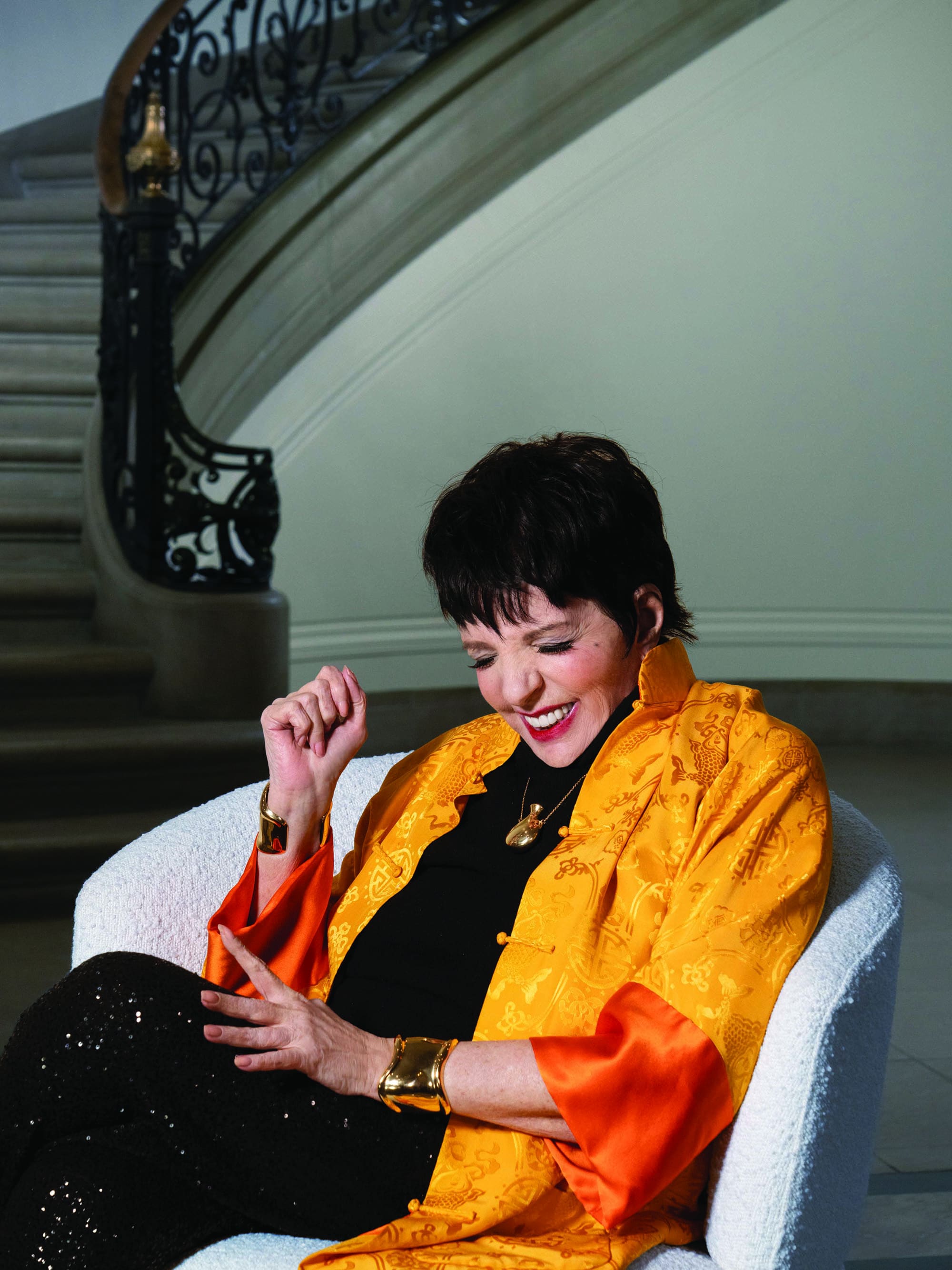
Sontag insisted that any art that does emerge from photography is happenstance, a more grudging than happy one. “Photographs owe their existence to a loose cooperation (quasi-magical, quasi-accidental) between photographer and subject mediated by an ever simpler and more automated machine,” she wrote, “which even when capricious can produce a result that is interesting and never entirely wrong.” Helmut Newton, who knew more about the subject in his shutter finger than any cortex capable of contextualization, referred to being open to such unplanned moments as capturing the “divine mistake.” Or, as Maclean wrote in his book about family and fishing not knowing he was also writing about photography when the mystery of the unseen is somehow captured not with the equipment needed—sorry, Susan—but the artistry of the person handling it: “All there is to thinking is seeing something noticeable which makes you see something you weren’t noticing which makes you see something that isn’t even visible.”
Which brings us to... Thomas Hart Benton. President Harry S. Truman. And Greg Gorman’s daddy.
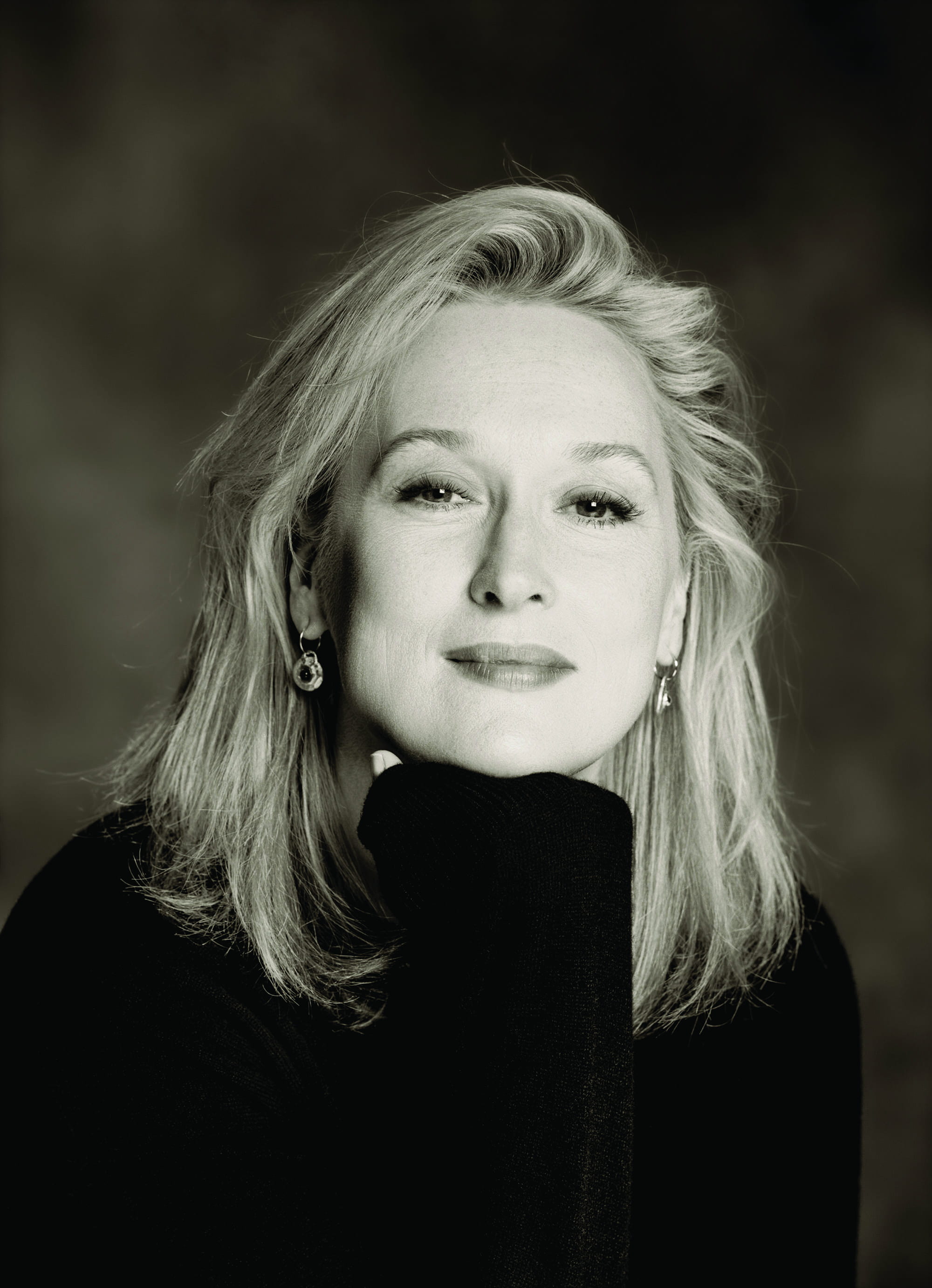
Gorman was born in Kansas City, MO, and still goes back each year to hang out with lifelong friends for Thanksgiving. “I was a preemie. My mom slipped and fell and broke her water. I came out two months early and was in an incubator for another two months in 1949. That was pretty serious back then so I’m lucky to be alive. I was born over in the Missouri part of Kansas City, but we lived over in Kansas for most of my life…I went to a private boys school, Pembroke Country Day—Pem Day we called it—and one of my best friends growing up lived next door to Thomas Hart Benton and his wife, Rita. I was probably around 10 or 11 and went over to his house one day and sat for him for a couple of things. He used one of my hands and one of my feet for that huge mural in the Truman Library. It’s called Independence And The Opening Of The West. I’m going to have to check it out next time I’m there and try to figure out where parts of me are.”
As Gorman continues to talk about his midwestern upbringing—he’s had a lifelong love of fishin’ and football “and all the things you’re not supposed to love if you’re a gay guy”—I kept thinking about that Maclean quote about seeing something noticeable which leads one to seeing something that isn’t even visible and his story about being in that mural but not being in it, which is a good way of describing any gay child’s boyhood. His mother knew he was gay, but he never came out to his father. “Although I’m sure he knew,” says Gorman. “We just never discussed it.”
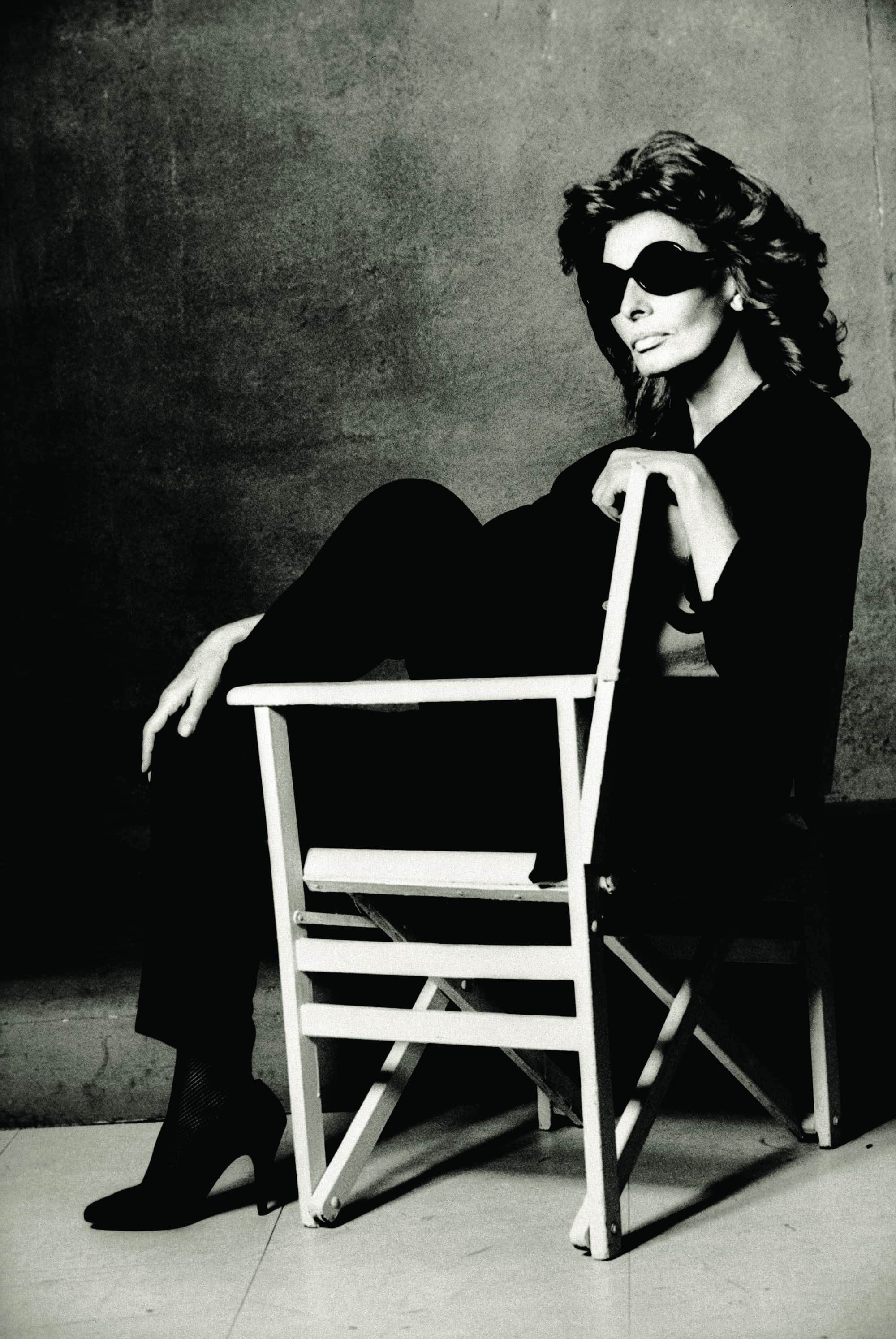
“My theory is that we don’t come out to our parents, but we confirm what they already know,” I posit, a bit shocked, actually, that he never told his father. “They made us. We are their flesh and their blood. They have a knowledge about us before we have it about ourselves. We are the white paper they stand over watching the image that is slowly emerging that they’ve already created. We’re their Jimi Hendrix.”
“I think you’re right,” says Gorman. “My dad was in the furniture business like all the Gormans before him. He wanted me to go into the business, too. When I told him I was going to be a photographer, he said, ‘What? Ya’gonna be a bum ya’whole life?’ I told him what I wasn’t going to do is wear a coat and tie and kiss ass and hurry down the freeway to sell a bunch of furniture. He did live long enough to see me become successful, my Jewish furniture salesman father. My first big job was shooting a Life magazine cover in the 1980s. It was about the five most powerful women in Hollywood at the time—Jessica Lange, Barbra Streisand, Goldie Hawn, Sally Field and Jane Fonda. When I told him about it, his first question was, ‘How much did you get paid?’” So how much did he get paid? “A thousand dollars.”
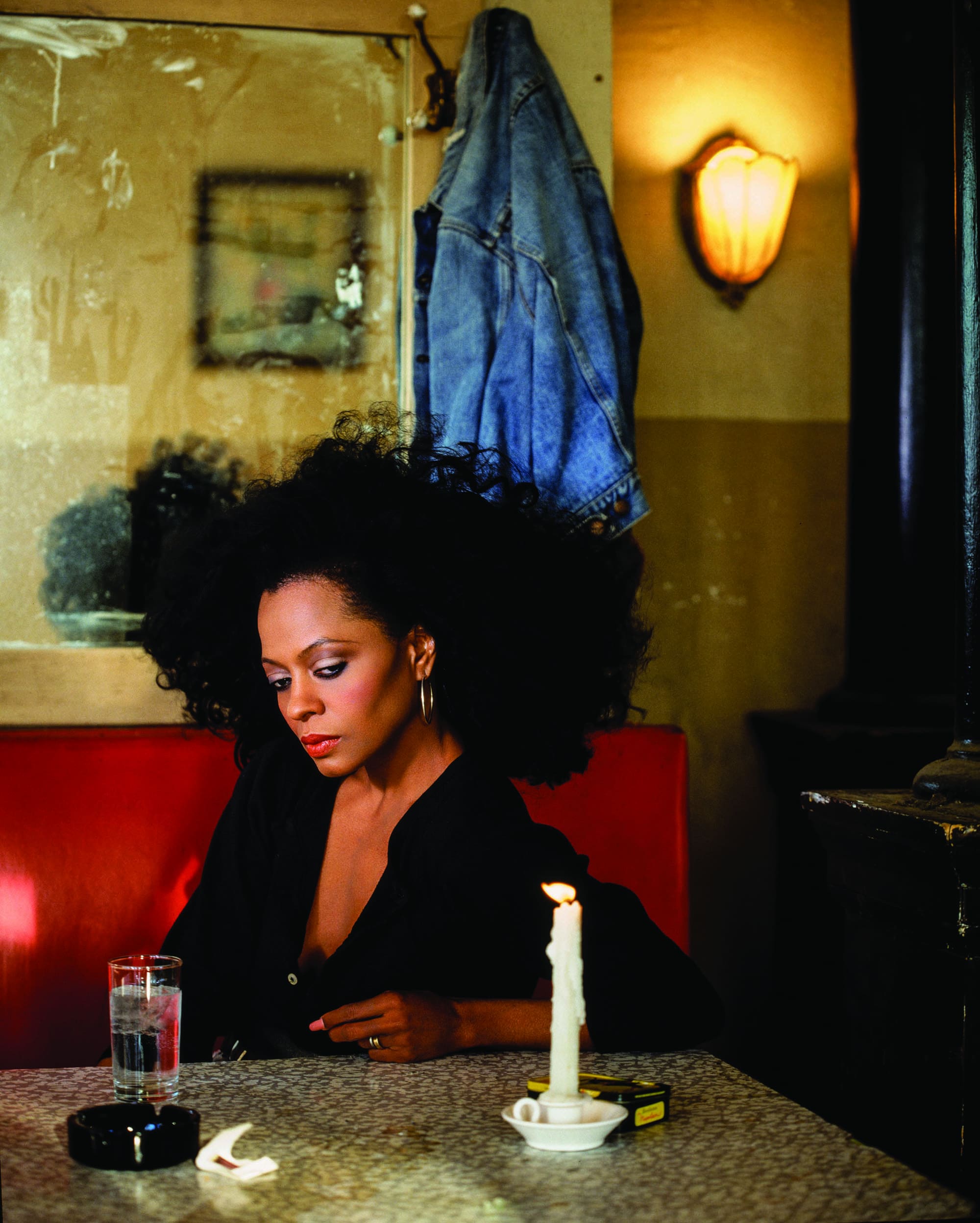
Greg Gorman has always felt comfortable as an outsider, not only being that gay kid growing up in the Midwest in the 1950s and 1960s, even if he was one who loved fishin’ and football and knew how to hold a huntin’ rifle, but also within the modern pantheon of portraiture photographers. Art critics, those rationers of respect, have never quite known what to make of him and his work, a man who personally presents as the most informal of people who has the educated eye and sculptural photographic skills of a formalist. But dichotomy is what delineates the work—and the man. It gives depth to each. He loves, for example, the camp it takes to imitate the voices of many of the divas he’s photographed—check those out in the adjacent conversation—as much as he does camping along the rivers in Wyoming where he settles in to fly fish for trout. He’s kind of like Gary Cooper, but the Bea Arthur version.
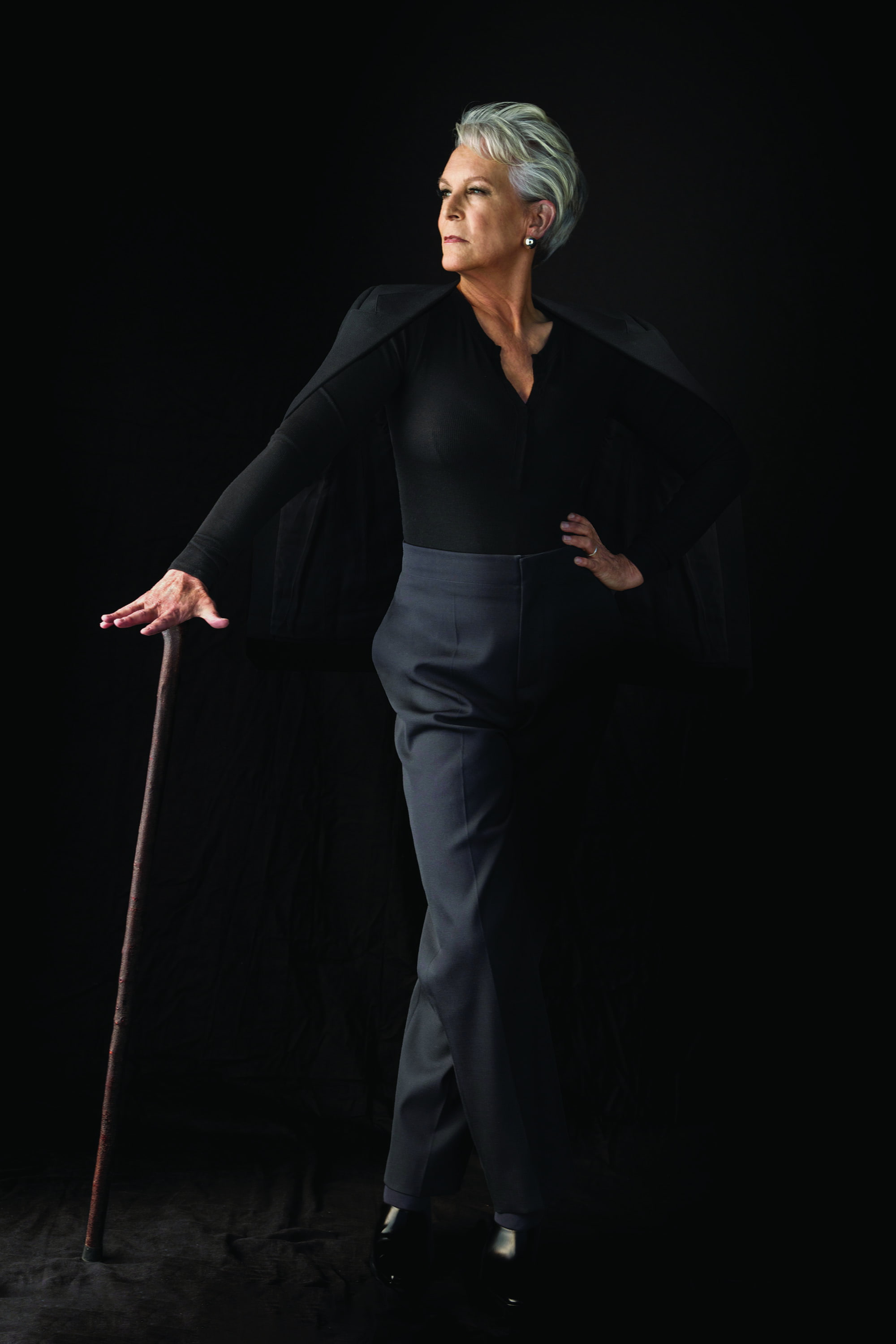
Cooking is another of his passions and Gorman has become known for his dinner parties and their guest lists which often include his best friends, fellow outsiders John Waters, Heidi Fleiss and Patty Hearst. I’m sure he’d still like to be able to invite two other dear friends, Paul Reubens and David Bowie along with Helmut Newton. When I ask him to name a couple of others he’d put on the now-dead Dinner Party Guest List he surprises me. “Brigitte Bardot,” he says. “And [Mikhail] Gorbachev.”
Another feature of Gorman’s life for many years now has been a long line of French bulldogs. Cyrill, his seventh, sits on his lap during our Zoom call for this story. Siegfried and Roy were the ones who originally convinced him to get a Frenchie. Patty Hearst fell in love with that first one and not only got one herself but also began to breed them. Each subsequent pet French bulldog has come from one of her litters.
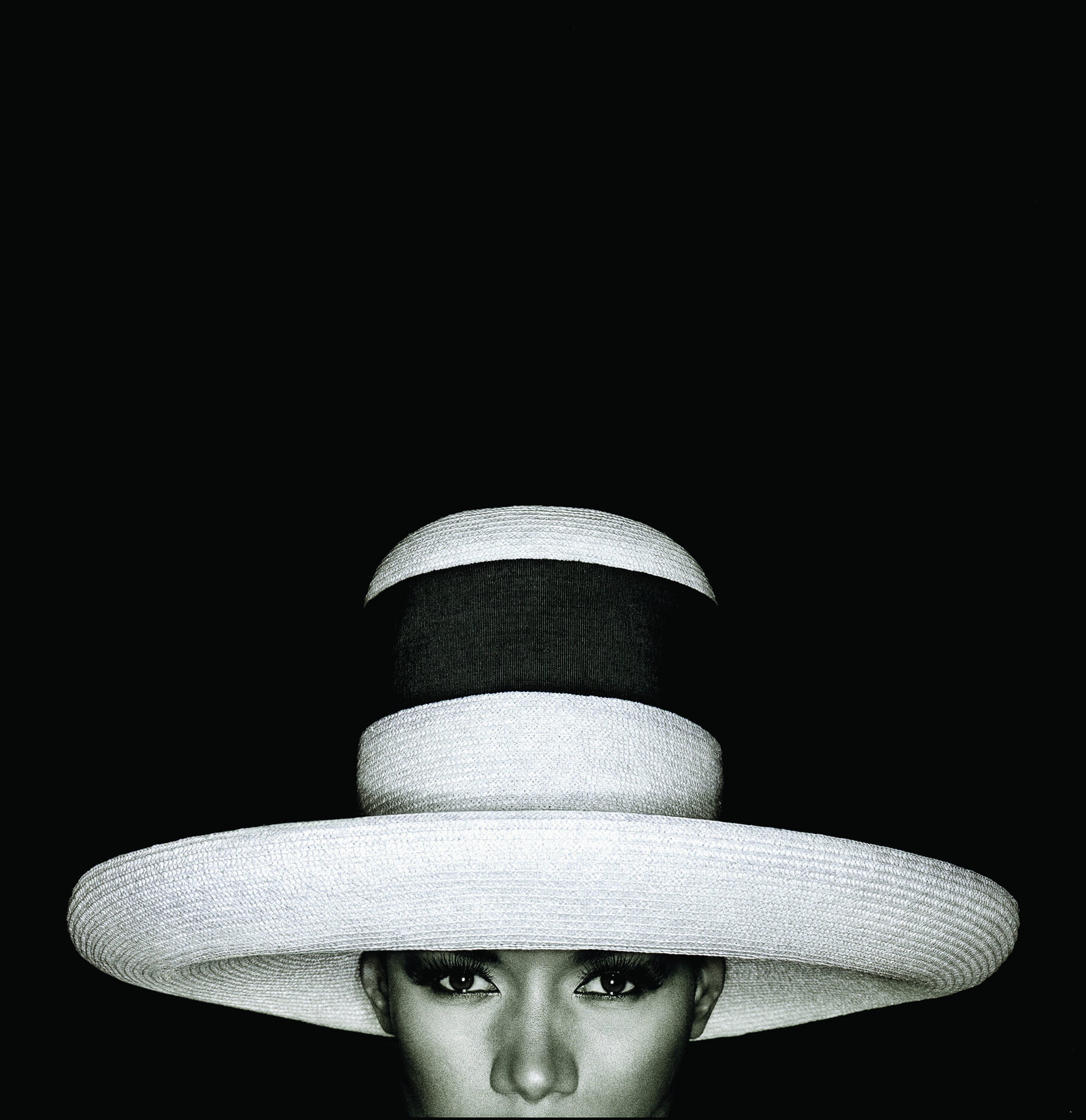
“I always get the one that nobody else wants,” he says, cupping Cyrill’s jowls in his hands. “But look at that face,” he tells me, which is what his photographs tell us to do as well.
As for those other parts of himself, he’s still looking for them in his way, this midwestern boy who became a Los Angeles legend because he never went out there searching for fame but allowed it instead to find him where he waited in the light to understand its shadows. His heart? As he approaches 80, he has found a way to quiet its own quivering needs with the flutter of the fly he flicks out into a Wyoming river’s rushing depths to hook a trout instead of the click of a camera’s shutter to capture the latest bit of fame fluttering about him. In each case, though, trust is needed; he, stalwart, is that element. Standing in the light of a river or in the light of photo studio, Greg Gorman, the straddler of worlds, never strays from what gives his work the mark of art: that trust. He inspires it in others because he has it for himself.
“What do you get from fishing?” I finally ask. “Is it a spiritual practice?
“Yes. It is. I get peace and solace from it. I don’t meditate. I’m a real people person. I’m hardly ever alone. I don’t do the fishing exactly alone because I’m usually with a good friend and a guide. But I go up to the middle of nowhere outside Saratoga, WY, and trout fish on those rivers. It’s so gorgeous. It’s breathtaking. You don’t see another soul. I put all the fish back. I don’t kill ’em or anything. But I just love fishin’. It is as close to meditation as I get.”
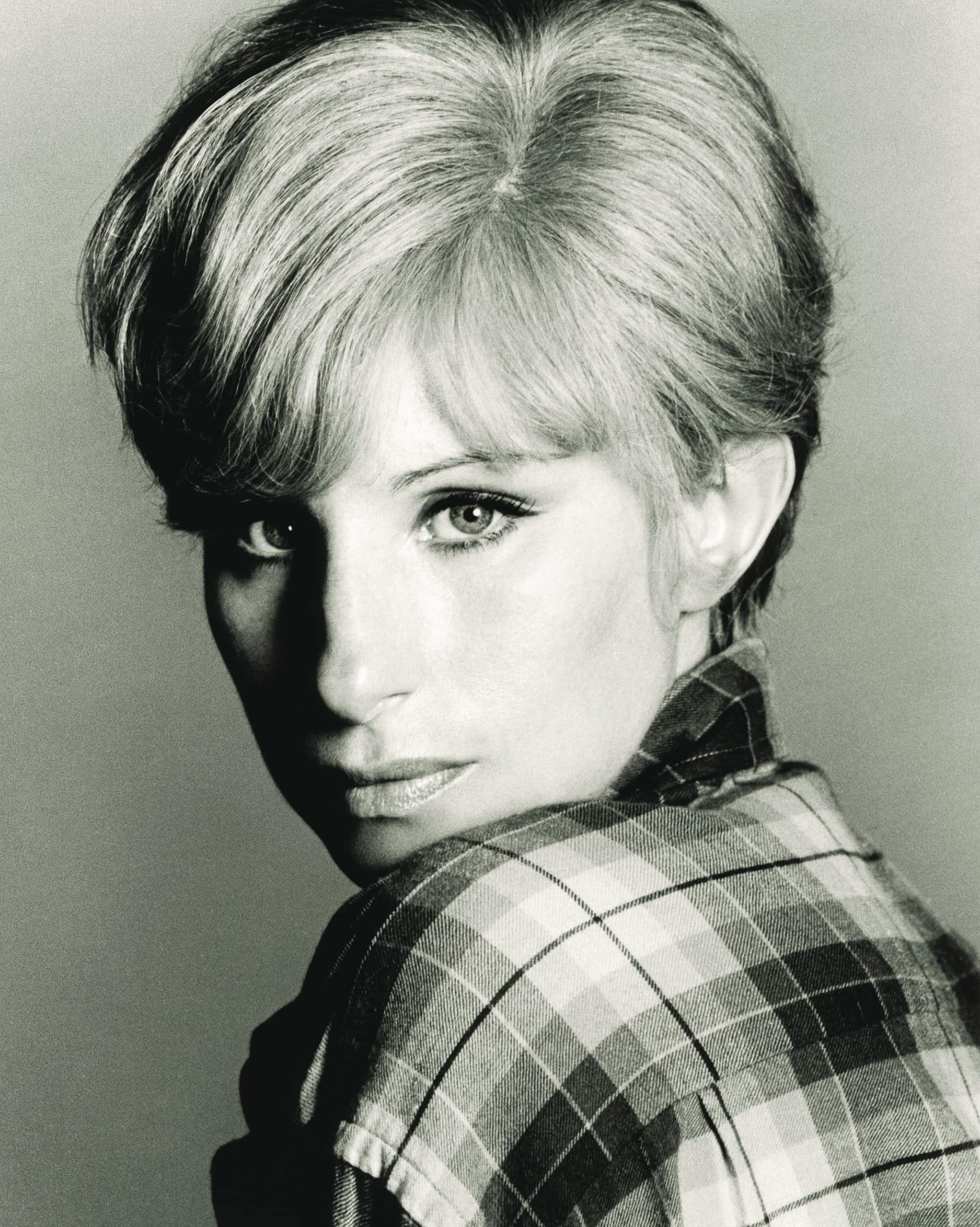
Maclean tried in A River Runs Through It to explain to the rest of us what it is like for Gorman and others to stand in such rivers amidst nature’s grandeur and think that they are as close to meditation as they can get but aren’t, not really. Because it is not they who are meditating. They are, in fact, the meditation. “I sat there and forgot and forgot, until what remained was the river that went by and I who watched…,” wrote Maclean. “Eventually the watcher joined the river, and there was only one of us. I believe it was the river.”
These photographs are Greg Gorman’s river.