

Back when the internet was barely a twinkle in Al Gore’s eye, and long before travel inspiration arrived via algorithm, there were travel magazines: big, glossy paper bricks that landed in shrink-wrapped bundles each month. A small wave of Travel + Leisure, Condé Nast Traveler, Condé Nast Traveller UK and The New York Times Sophisticated Traveler supplement would flood our mailbox, and I’d pore over them like treasure maps, which, to me, they essentially were.
I didn’t read them; I inhaled them. Their technicolor pages of those magical magazines were proof positive that the world was large, colorful and impossibly beautiful. Thanks to them, I knew that somewhere beyond the confines of our 11th-floor Stuyvesant Town apartment in New York City, there were people soaking in steamy thermal pools, tracking cheetahs on safari and wandering the ruins of Pompeii in summer whites and Marcello Mastroianni sunglasses, all looking as though they’d stepped out of a Slim Aarons photograph. I wanted in.
The one thing those magazines never really explained was timing. In magazine world, summer was endless, romantic and tranquil. Real life, however, is different. Show up too early and ocean temperatures are still on stun and towns haven’t fully opened; show up in July and you’re bribing maître d’s after sharing paradise with amped-up Instagrammers ticking off their “things to post before you die” lists. Get it right, around early August, as people start talking as if summer’s already over, and the energy shifts: July’s revved-up intensity recedes and a mellower rhythm settles in.
Welcome to second summer, the sub-season that begins in early August, eases into September, and, if you play your cards right, can carry you straight into October. That’s when you stop chasing experiences and finally get to experience them. So where to begin? I have some thoughts.
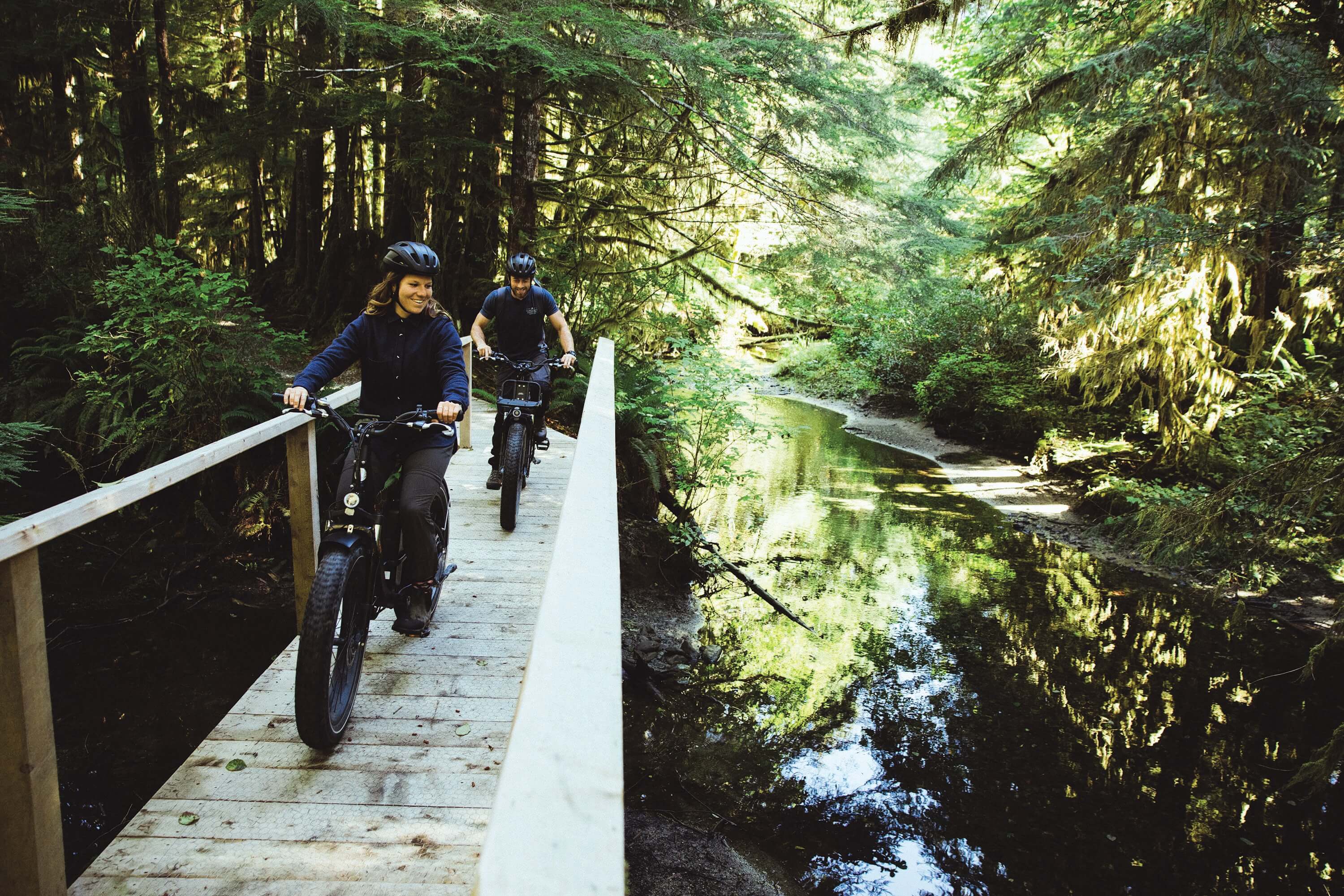
THE COAST
Having never lived more than a few hundred yards from the Hudson River and a handful of miles from the Atlantic Ocean, anything that involves a lot of water, that’s a siren call to me. Drop me by the shoreline and pick me up when sweater season begins.
I’ve always felt that coastlines show best once the crowds thin. Ferry horns sound less frantic and more romantic; footprints dot the sand instead of umbrellas; and seaside café chairs stay occupied for hours because no one’s in a rush to abandon the postcard view.
Washington State’s San Juan Islands suit this mood perfectly: early-August mist meanders along inlets and cedar-lined shores, workboats idle at their slips, kayaks glide across glassy coves. The water has warmed enough that a swim feels invigorating rather than an exercise in Nordic stoicism: a brisk dip and the clear-headed glow that follows keep you lingering on the dock, staring down the horizon and enjoying the soft white noise of the wild.
For a deeply connected-to-nature coastal escape with no shortage of creature comforts, I like Sonora Resort in British Columbia, Canada, which pairs private-island seclusion with shoreline suites, helicopter excursions into nearby fjords, conservation-led outings with local naturalists and meals centered on garden-picked produce and line-caught seafood. It’s the rare place that manages to combine wilderness, adventure and luxury without feeling overproduced.
About 200 miles south, Wickaninnish Inn on Vancouver Island is a different animal entirely: rugged, exposed and wildly dramatic compared with the San Juans’ cozier, tucked-away mood. Here, cedar and stone meet pounding surf and jagged rock. Guided storm-watching excursions, coastal ecology walks and restorative spa rituals make thoughts of adding “just one more night” seem entirely reasonable. Clayoquot Wilderness Lodge pushes the one-with-nature aesthetic even further with seaplane arrivals, safari-style luxury tents hidden deep within cedar forests and evenings beneath vast, star-filled skies. It’s the sort of otherworldly getaway where dinner plans may take a back seat to more important matters, like watching the last light disappear across the inlet.
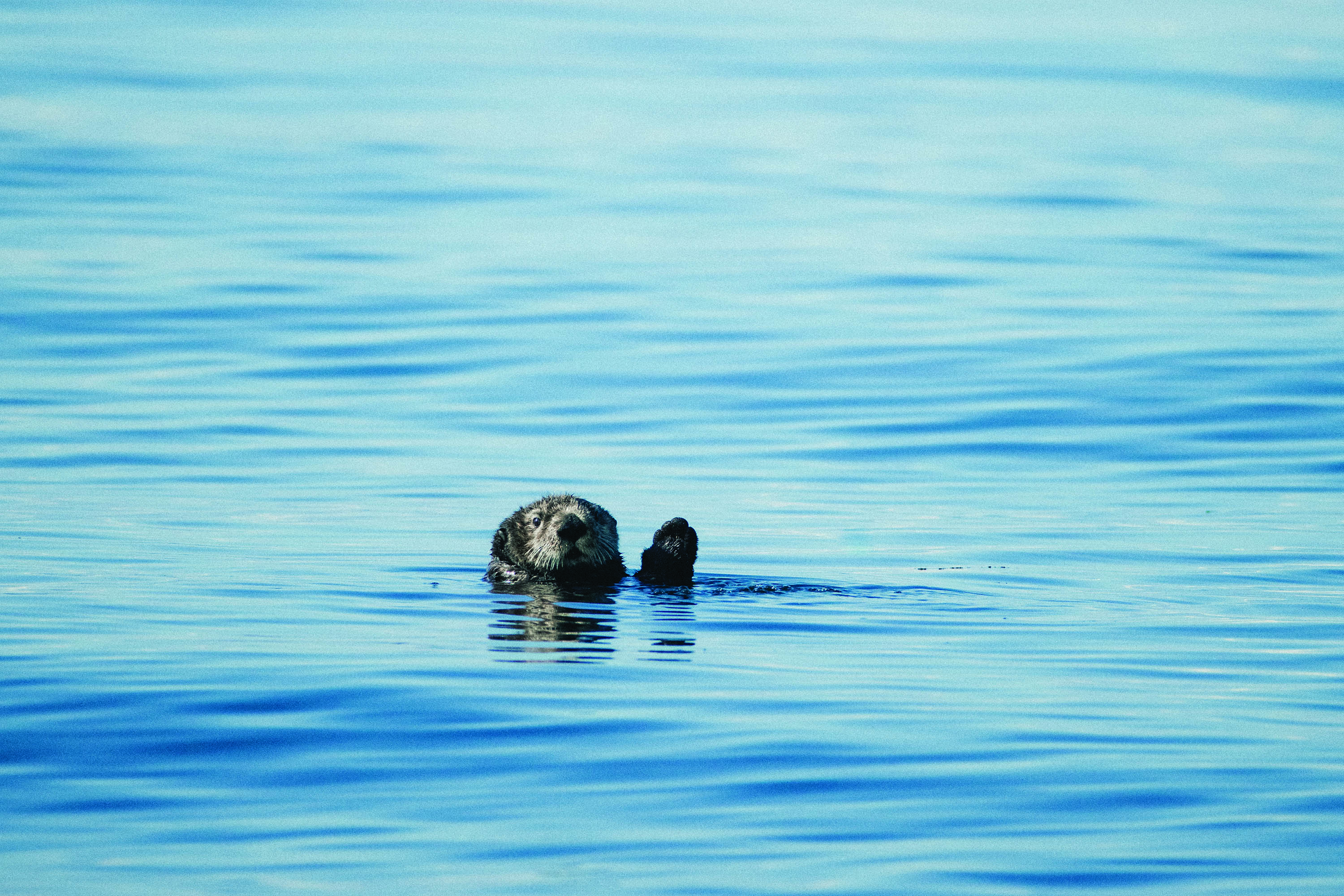
At all three properties, however, the experience most worth chasing arguably happens offshore. Whether by kayak, Zodiac or private boat, nothing compares to weaving between channels and inlets in search of some of the world’s most captivating marine life: humpback whales, porpoises, seals and sea lions. No crowds. No blaring loudspeaker narration. Just still water punctuated by the sounds of fins and flippers cutting through the surface.
Meanwhile, on the opposite side of North America, the Maine coast settles into its own familiar rhythm. Fog drifts through the harbors each morning, silhouetting sailboats and lobster traps before burning off to reveal endless Atlantic vistas. Lazy afternoons unfold around a low-key agenda of book reading, hammock napping, dockside oyster slurping, antiqueshop wandering, lighthouse cruising and long walks along rocky shorelines. The soundtrack is little more than gulls, distant buoy bells and the slow churn of the tide.
For a place to do so much and so little at once, Kennebunkport’s Hidden Pond leans into understated luxury, tucked discreetly into pine groves where sandy paths lead to cedar-clad cottages with unmarked doorways, private porches and low-key interiors designed for quiet and privacy. Got woodland seclusion? In a word, yes.
Meanwhile, 90 miles north, the Camden Harbour Inn delivers a more refined, Europeaninflected vision of coastal Maine, combining Relais & Châteaux polish with sweeping harbor views and tasting-menu dinners that feel improbably sophisticated this far from a major city.
And then, of course, there’s lobster. The question isn’t whether you’ll eat it, but how. Go big and have the concierge arrange a private lobster-boat cruise complete with trap hauling, a wood-fire feast of lobster, corn and potatoes on a secluded sandbar and a twilight sail home beneath a sky slowly turning Maine pink. More of a landlubber? Then tackle the unofficial lobster-roll circuit, comparing the wares at Red’s Eats, McLoon’s Lobster Shack and The Clam Shack—the unofficial holy trinity of Maine lobster-roll institutions.
THE MOUNTAINS
Few nature-made tableaus are more stirring than the sight of massive, jagged, snow-capped mountain peaks rising above the heat of summer. They loom large, casting surreal shadows over the valley villages, making you feel wonderfully small.
In the Canadian Rockies, awe is yours for the taking, beginning with one essential ritual: greeting dawn at Lake Louise in Alberta’s Banff National Park. You can do it from the comfort of a king-sized Lakeview Suite bed at the Fairmont, as my husband did, or follow my lead and join the small, sleepy clusters gathered along the shoreline before sunrise. There, beneath a sky thick with stars and surrounded by towering rock faces, the lake feels almost extraterrestrial—at least until the first light gently nudges everyone back to earth and, for some of us, back to bed.
For a more adventurous start to the day, trade the lakeshore for altitude. Sign on for heli-hiking in the high country around the Bugaboos in eastern British Columbia or near the Columbia Icefield straddling the Continental Divide.
Landing on a glacier with your boots crunching across ancient blue ice while peaks tower overhead has a way of recalibrating your sense of scale. Wilder still is British Columbia’s Glacier National Park, a raw, awe-inspiring, elemental wilderness complete with mountain goats and grizzly bears—so it’s best experienced with a professional guide at your side.
From the untamed high country, it’s a dramatic shift in mood to cross the Atlantic and enter the legendary Alps. Whether French, Italian, Swiss or Austrian, the Alps never lose their cool. Meadows remain lush and temperatures pleasant well into late September. Village eateries feed hungry hikers restorative, carb-forward après-marche lunches accompanied by good wine and an unholy amount of molten raclette.
When it comes time to sleep, Badrutt’s Palace on the shores of Lake St. Moritz—once favored by Elizabeth Taylor and Audrey Hepburn and still beloved by myriad royals and prime ministers—remains the gold standard for old-world alpine glamour, at 5900 ft., no less. For something comparably luxurious in a more contemporary register, bunk in at the Chedi Andermatt in the Urseren Valley, where wood, stone and restrained Asian-inspired design create one of the chicest base camps imaginable for admiring mountain views with a glass of wine in hand.
For adrenaline-fueled types, the best way to experience the Alps may be by air—minus the plane. Airtaxi St. Moritz specializes in tandem paragliding and hang-gliding flights that let you soar above the Engadin Valley with pilots who’ve been navigating these peaks for decades.
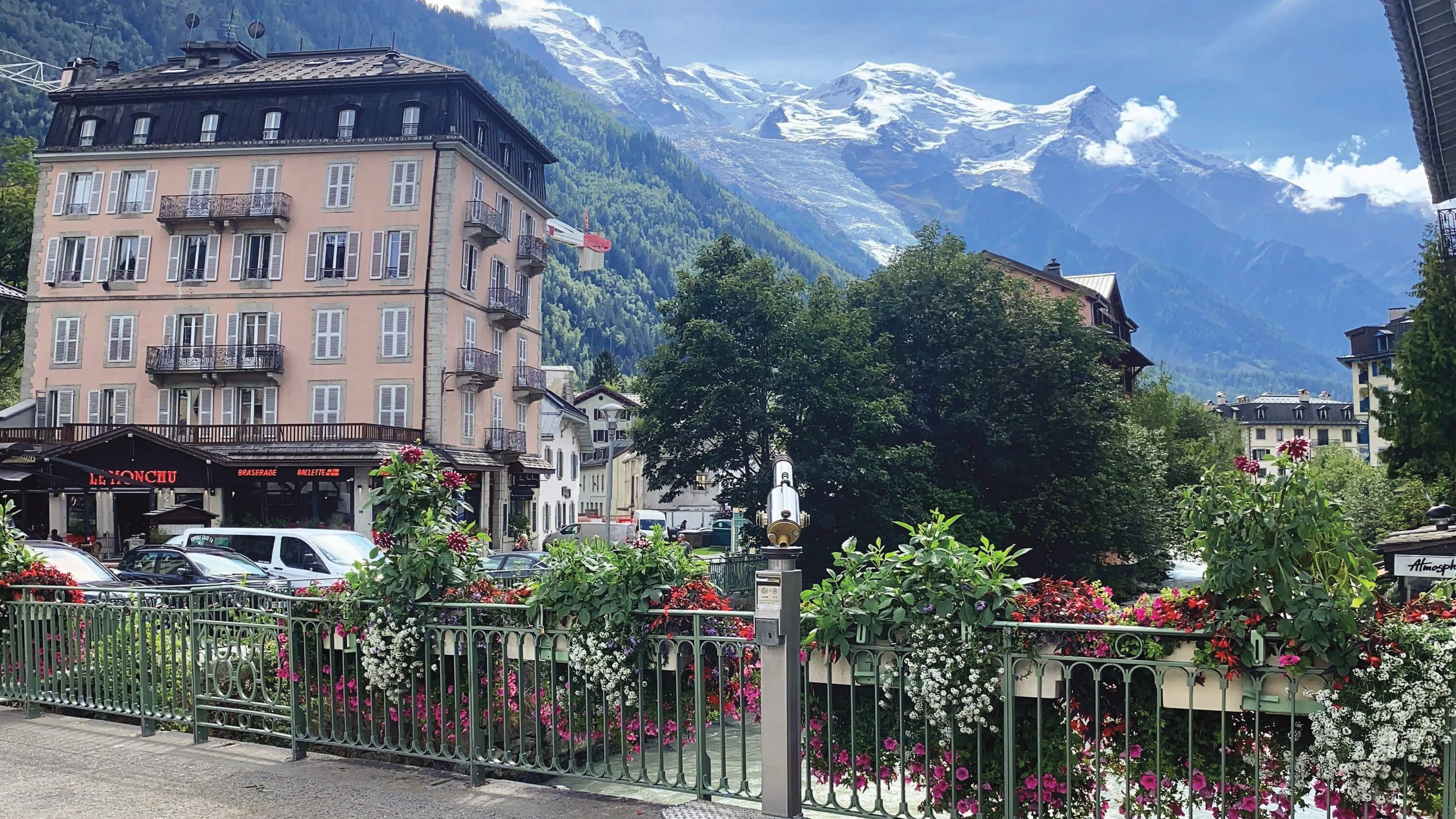
As polished as St. Moritz can be, I remain partial to its livelier French cousin, Chamonix, especially in late August and early September. It’s where I go for snow-capped mountain bliss and for the dizzying ascent aboard the Aiguille du Midi cable car. Once at the 12,605-foot summit, the incandescent views of Mont Blanc, Les Grandes Jorasses and, on especially clear days, the Matterhorn border on the spiritual.
Part of what keeps drawing me back is L’Hôtel Albert 1er, an elegant yet understated boutique property that balances classic Alpine charm with contemporary comfort: warm wood interiors, cozy lounges, a spa and pool, Michelin-starred dining and staff who know precisely which local trails and mountain guides are worth your time. Oh, and yes, there’s a little something they call Mont Blanc right outside your window to boot.
Meanwhile, back in southwestern Montana, The Ranch At Rock Creek—set in the foothills of the Flint Creek Range near the Sapphire Mountains—remains the gold standard for experiencing frontier life without sacrificing comfort. Think A River Runs Through It-level fly fishing, guided horseback rides to thundering waterfalls and campfire dinners that somehow feel both genuinely wild and completely civilized. Montage Big Sky, set against the Madison Range and Spanish Peaks near Yellowstone, answers with a different rhythm: modern, clubby luxury spread across vast Montana panoramas that, in summer, rival their European counterparts.
What all these places ultimately share is the sense of awe they inspire—the way mountains slow your breathing and subtly rearrange your perspective simply by being there. Mountain magic is real and it’s nature’s balm for the soul (and the nervous system).
THE DESERT
Deserts are unapologetically brutal beneath the high sun; they become something entirely different as evening cools the air and color begins to wake up.
In Southern Utah, that transformation arrives at dusk. Zion and Bryce shift through a slow-motion spectrum, stone fading from white to orange to deep, tannic red. Trails that felt punishing at noon suddenly become inviting. Terrace dinners unfold. Silence settles over the landscape as though the entire world has agreed to lower its voice.
Amangiri sits squarely within that geological drama, its architectural minimalism feeling both luxurious and monastic in its reverence for space, shadow and stone. Design here exists entirely in service of place.
Then there’s Bishop’s Lodge, which offers adobe warmth and Southwestern soul through fireplaces, intimate courtyards, horseback rides at sunset, guided gallery walks and private astronomy sessions beneath astonishingly dark skies. Miles from light pollution, the Milky Way becomes an overhead highway. The modern world recedes and the sky does the talking.
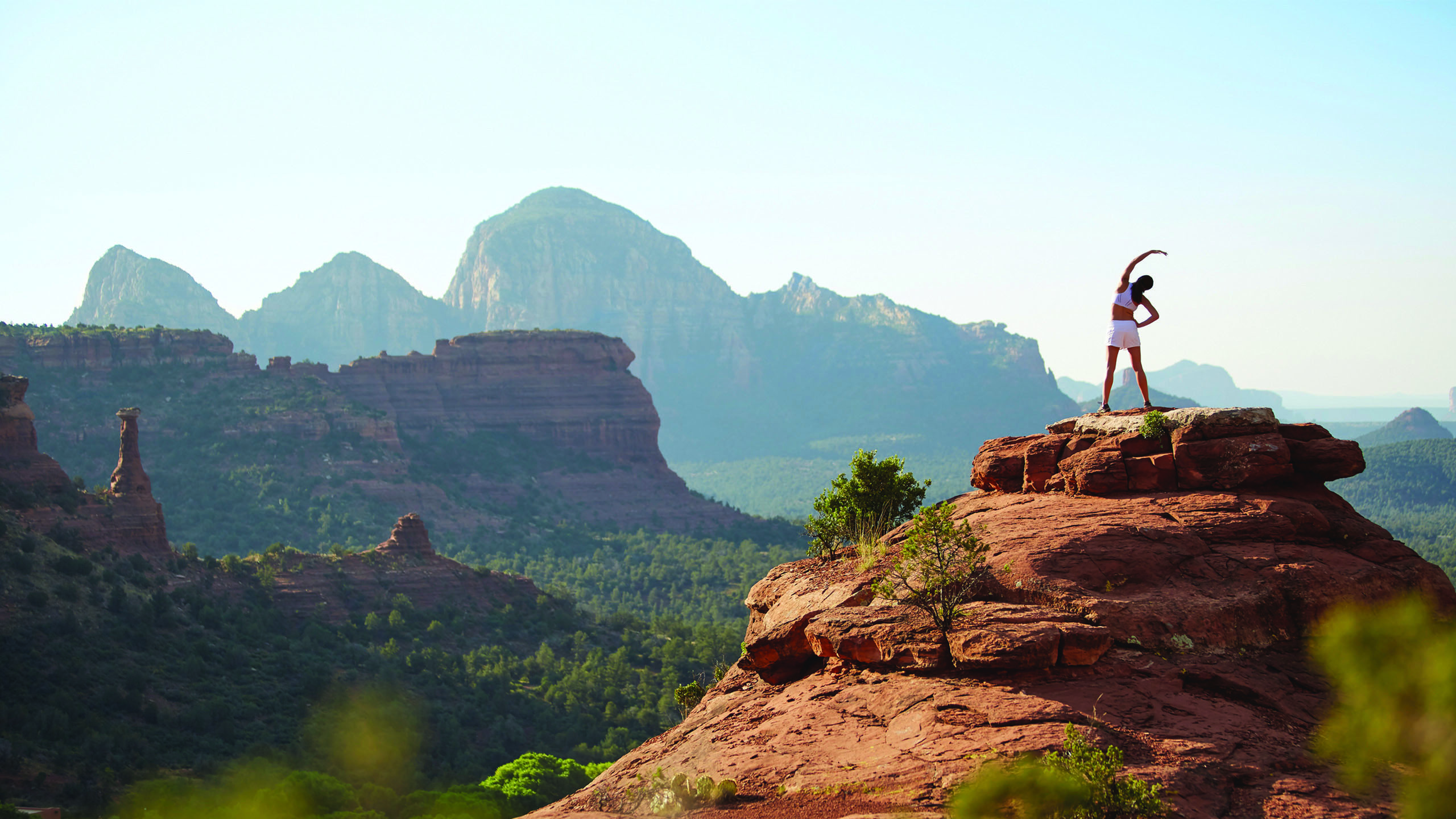
Sedona’s reputation can feel overplayed by day. But, at dusk, it sheds the clichés: red rocks go cinematic in silhouette, air cools and paths pull you toward quieter horizons. I like the Ambiente Sedona which brings design-forward rooms right into the landscape; and the perennial favorite Enchantment Resort still excels at casita-style calm and unforgettable experiences—think hot-air ballooning, stargazing, heli-tours over the red rocks, guided canyon hikes and those sunsets that make you reconsider your departure plans.
THE LANDS BEYOND
Summer’s not a fixed point on a calendar; it migrates.
While the north tips toward crispness as the days push into early September, the Southern Hemisphere is just waking up. In South America’s southern tip encompassing both Argentina and Chile, Patagonia in early spring has that outsized, windswept drama that recalibrates your sense of scale (and seasons). Snow clings to peaks, lakes shift moods by the hour and ungainly winds teach you respect. Explora Patagonia, a high-design, all-inclusive lodge in Torres del Paine offering guided treks, horseback rides and boat trips, places you literally inside the frame, while the more private and remote Awasi Patagonia, set in a private reserve, offers villas and dedicated guides for intimate, tailormade exploration. Horses and gauchos are the connective tissue—long rides across steppes that feel eternal and quietly epic.
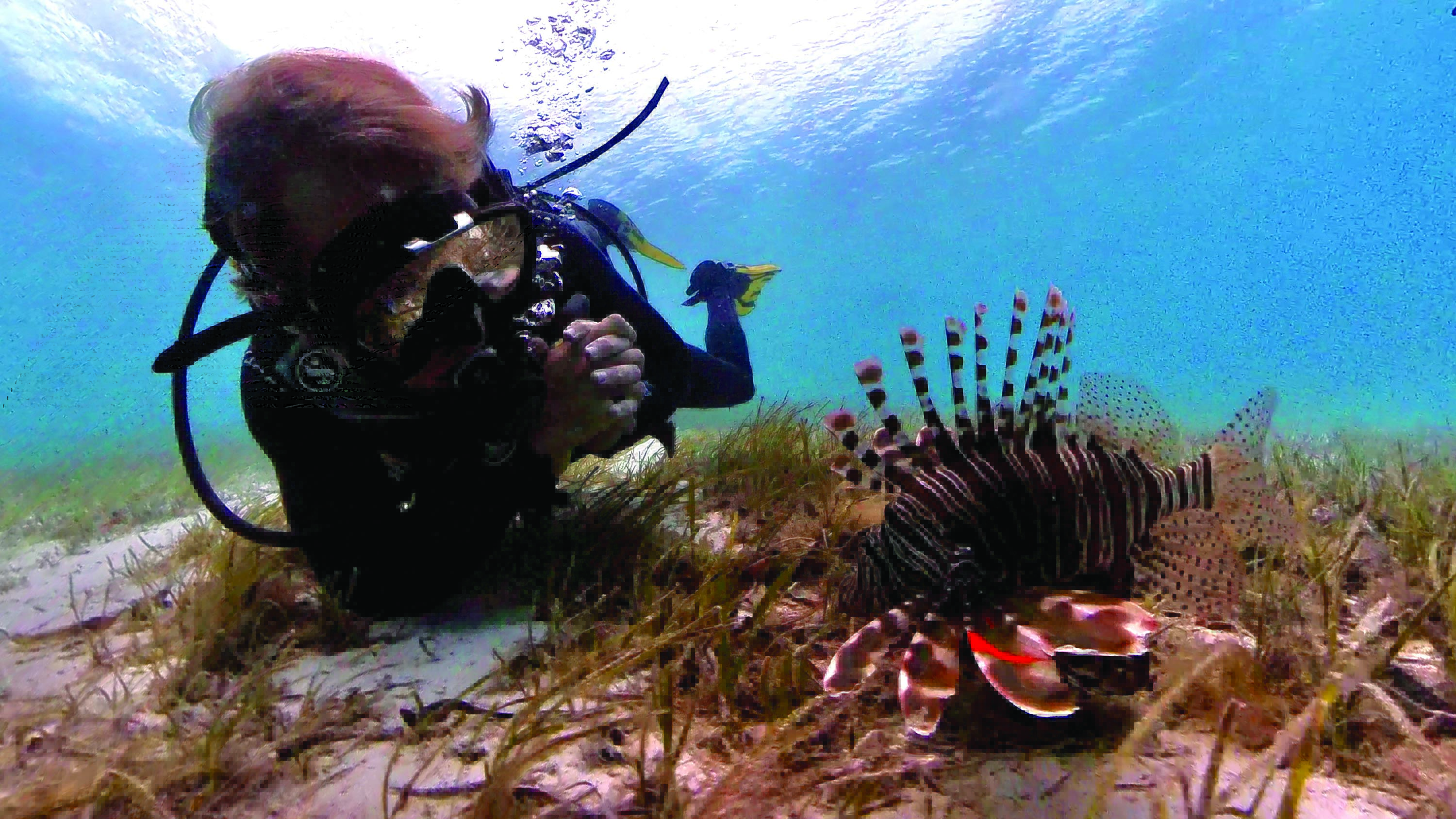
Zanzibar is another hemispherian antidote: lazy dhow sails, seafood lunches that dissolve into sunsets and water so impossibly clear it scarcely looks real. Mnemba Island distills the idea of barefoot luxury down to its essentials with elegant beachfront bungalows, snorkeling, scuba diving, nesting turtles, private reefs and service polished enough to anticipate your needs before you do. For a more intimate residential feel, Xanadu Villas creates the sensation of having an entire stretch of coastline largely to yourself.
On the opposite side of the Indian Ocean, Bali repays a slow approach. Once you allow the island to reveal itself at its own pace—morning mist in rice terraces, incense drifting through village lanes—a softer, deeper magic begins to emerge. Deep in the rainforest, Capella Ubud translates that mood into a dreamlike jungle world of suspension bridges, hidden pathways and tented luxury that marries childhood adventure fantasies with grown-up indulgence.
Roughly 4,000 miles southeast, the Bhutan Spirit Sanctuary, a wellness resort set on a wooded hillside in the Paro foothills of the eastern Himalaya, offers a more contemplative form of respite. Bhutanese-rooted wellness programs, traditional healing therapies, contemplative walks, mountain views and profound quiet combine into the sort of restorative experience that stays with you long after you leave.
THE SEASON THAT STAYS WITH YOU
Summer’s greatest luxury—increasingly rare and infinitely valuable—may simply be presence. Not privilege, exactly, though there’s certainly some of that involved. Rather, it’s the ability to let time and place change you a bit before returning home. To stay somewhere long enough for its rhythm to work gently on yours. That’s the season I’m proposing you chase this year: not an exact date, but a feeling.
Second summer is forgiving. It’s slow. It lets you nap. It gives you room to become less urgent and more curious. So, pack your summer whites and Marcello Mastroianni sunglasses, along with a little patience and push the season a bit further. You’ll thank yourself later, when the light grows softer, dinners stretch languidly and the places you love quietly decide to keep you entranced for just a little while longer.